What a court-ordered sale is
BC does not use the quick foreclosure auctions you may have heard about elsewhere. When a borrower defaults, the lender usually applies to the Supreme Court of British Columbia, and the court can order the property sold and give the lender (or another party) conduct of the sale. Court-ordered sales also happen in estate, family and co-ownership disputes.
The property is listed on the MLS® System like any other home, but the seller is acting under a court order, and the sale must be approved by the court.
How the process works
The steps are different from a regular purchase:
- You make an offer, usually on the seller's standard terms and a schedule that overrides parts of the regular contract
- If the seller accepts, you complete your subjects (financing, inspection) within the agreed time
- Once subjects are removed, the seller's lawyer applies to the court for approval of the sale
- The hearing is public. Other buyers can attend and submit competing bids under the court's sealed-bid procedure
- The judge decides which offer to approve, aiming for the best result for the parties. Your accepted offer can be outbid
- If your offer is approved, the sale completes on the date the court sets
As is, where is
Court-ordered sales are almost always as is, where is. The seller has often never lived in the home and makes few or no promises about its condition. There is usually no property disclosure statement. The home buyer rescission period does not apply to property sold under a court order.
That makes your own checks more important: inspection, title search, any outstanding permits or work orders, and, for rural property, the well and septic.
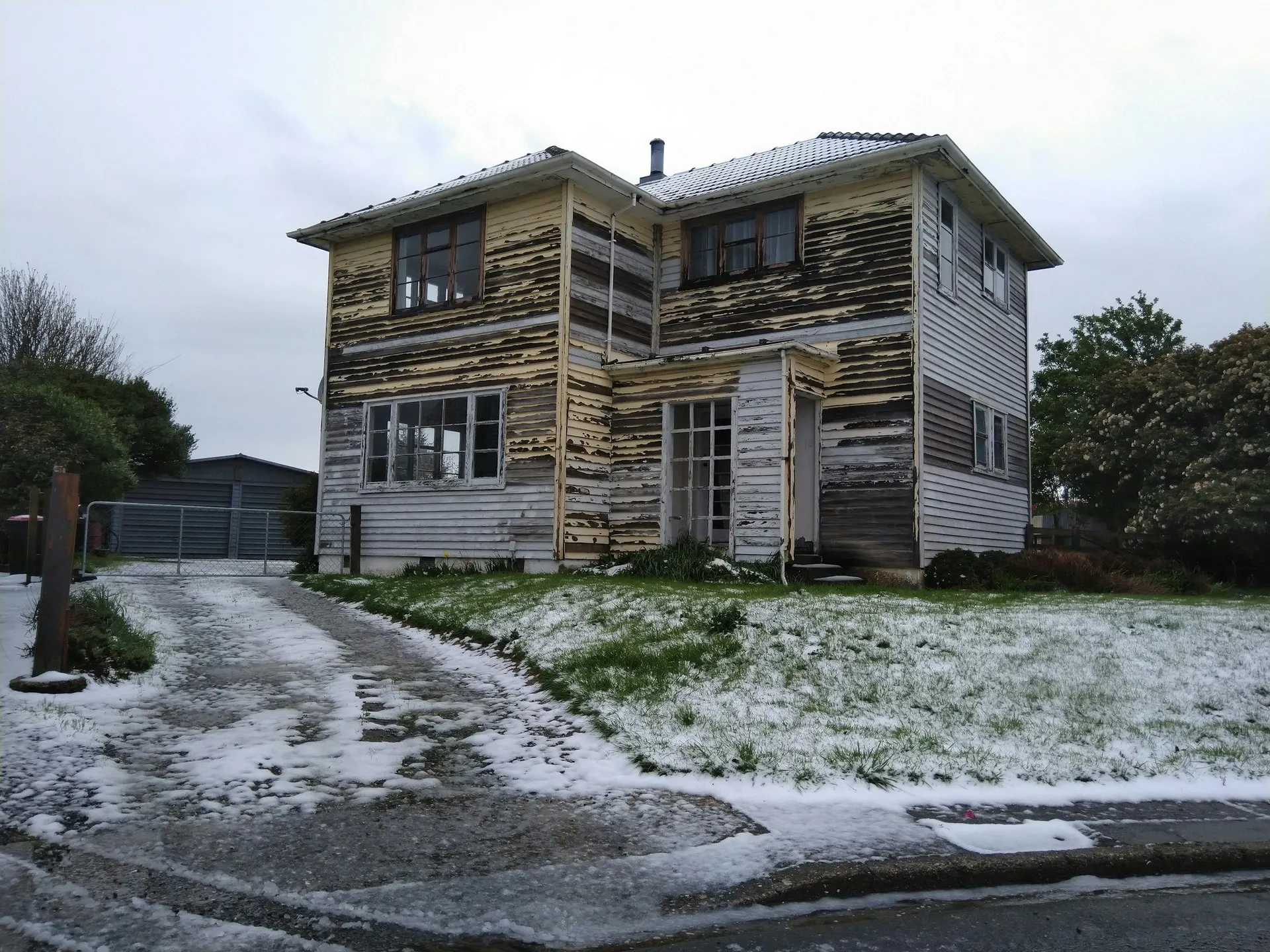
Fixer-uppers outside the court process
Plenty of homes that need work are sold the ordinary way, by owners or estates. They are often priced for their condition and can be a way into a neighbourhood that is otherwise out of reach. Get contractor estimates during your subject period, add a cushion for surprises, and ask your lender whether a renovation mortgage product fits your plans.
Get alerts for these listings
Court-ordered and as-is listings in Prince George can be few and far between, and they attract investors. Sign up for Fixer-upper and Court-Ordered Sale alerts and you will get an email within a couple of hours of a matching listing being posted, so you have time to view it, inspect it and line up financing.