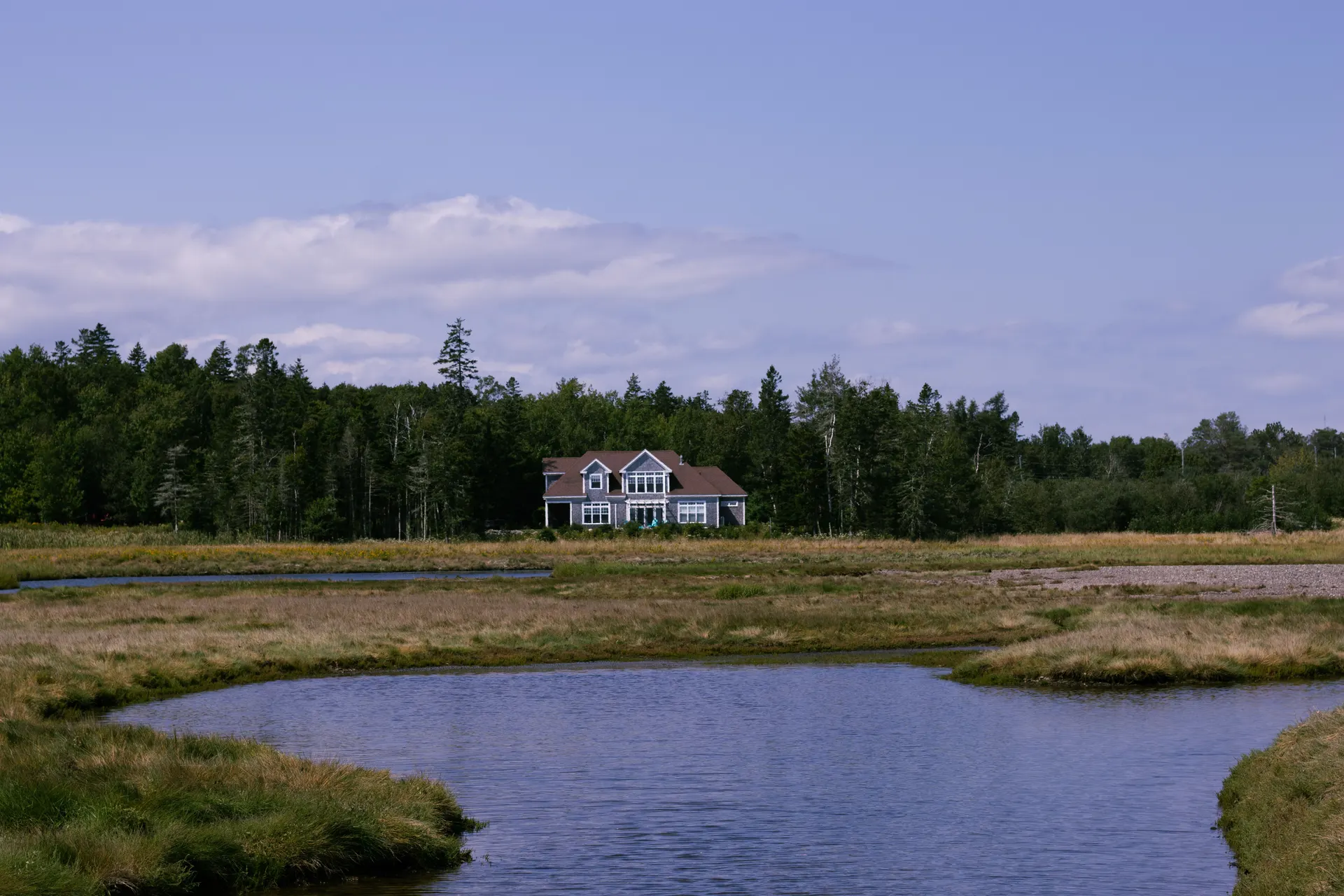
Why rural purchases need extra time
Many homes in the rural areas around Prince George have no city water or sewer. You are buying your own water supply and your own wastewater system, and often outbuildings, fencing and a long driveway. Give yourself enough subject time to check them properly. Bogdan will build those checks into the offer.
Wells and water
Ask for the well record: depth, construction date, the driller's report and any past water tests. Wells drilled or altered in recent years must be in the provincial well database; older wells may not be, and registering a domestic well is strongly encouraged.
Have the water tested by a qualified lab before you remove subjects. HealthLink BC advises well owners to test for bacteria at least once a year and to test for chemicals such as arsenic, nitrates, fluoride and manganese. A flow test tells you whether the well can keep up with a household. The owner of a private well is responsible for its testing and treatment.
Water from a lake, creek or spring
Groundwater used only for household purposes does not need a licence. Drawing water from a lake, creek or spring is different: a provincial water licence gives you secure rights to that water, and some uses require one. If a property draws surface water, ask whether there is a licence, what it allows and whether it will transfer to you.
Septic systems
In BC, only an authorized person (a registered onsite wastewater practitioner or a qualified professional) may design, install, repair or inspect a septic system. When a system is installed, the authorized person files paperwork with the health authority, and the owner receives the plans and a maintenance plan.
Ask the seller for those records, the last pump-out date and any repairs. On an older system, an inspection by an authorized person during your subject period is money well spent. Replacing a failed system is one of the largest surprise costs a rural buyer can face.
The Agricultural Land Reserve
The Agricultural Land Reserve is BC's provincial zone for protecting farmland. Land in the ALR can be a wonderful place to live and farm, but some plans need permission from the Agricultural Land Commission, such as subdividing, building an additional residence or running a non-farm business.
Check the ALR map for any parcel you are considering, then check local zoning with the Regional District of Fraser-Fort George or the City. If your plans depend on a second home, a shop business or a subdivision, confirm they are allowed before you remove subjects.
Wood heat and insurance
Wood stoves are common out of town. Many insurers ask for an inspection of wood-burning appliances by a certified inspector before they will insure the home, and some will want an approved primary heat source. Call your insurer at the start of your subject period, not the end, and get the quote in writing before you remove subjects.
Fire protection areas
Outside city limits, fire response comes from the Regional District of Fraser-Fort George's volunteer fire departments, which serve defined fire protection areas funded by local property owners. A property inside a fire protection area and one outside it can look the same on a listing, but insurers treat them very differently.
The regional district has a tool for checking whether a property is in a fire protection area. Check before you write an offer, and ask your insurer how the distance to the fire hall and a water source affects your premium. FireSmart steps around the home, such as clearing brush near the house, are worth doing on any forested lot.
Distance, roads and services
Drive the route at commute time, and again after a snowfall if you can. Ask who clears the road, whether the school bus comes by, how far the nearest grocery store is and what internet service reaches the property. Some lake properties have seasonal road access only.
Outside a municipality, property tax is billed by the province rather than the City, and building permits come from the regional district. Ask whether the house, shop and any suite were built with permits.